Understanding IDC org and its role in modern digital ecosystems
Over the past 20 years, the landscape of digital infrastructure has changed significantly, and businesses now need environments that are safe, scalable, and resilient to support their operations. Located in the heart of this change is the International Data Centre, or IDC for short. Around the world, this infrastructure paradigm is now the foundation of innumerable businesses, financial institutions, governmental organizations, and digital service providers. Seeing IDC as a straightforward hosting solution is only one aspect of its meaning. Complex layers of network architecture, storage systems, processing power, and security measures are all integrated in contemporary international data center environments.
What IDC org stands for in the context of data infrastructure
Enterprise-grade infrastructure that satisfies global requirements for performance, security, and dependability is now commonly referred to as IDC. Cloud computing, software as a service platforms, content delivery networks, and several other digital services that modern organizations rely on are all built on these facilities, both physically and virtually.
International Data Center standards: their beginnings and development
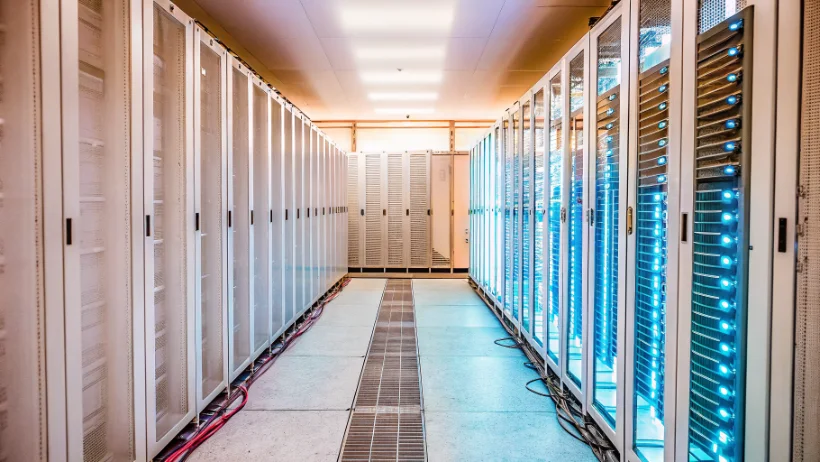
Standardized data center procedures started to emerge in the late 1990s as companies began moving important functions online and internet use increased. Early establishments were sometimes repurposed office buildings or warehouses with minimal power backup systems and few environmental controls. The industry realized that formal standards governing facility design, operational procedures, and performance measures were necessary as digital services became increasingly important. Four levels of infrastructure reliability were defined by the Uptime Institute's framework, which created the tier categorization system in the middle of the 1990s. This categorization gained popularity and aided businesses in using uniform language to describe their infrastructure capabilities.
IDC's primary duties in business settings
Facilities for international data centers fulfill a number of crucial roles in enterprise technology ecosystems. The main responsibility is to supply dependable computing and storage resources that are necessary for the uninterrupted operation of applications and services. In addition to the power distribution and cooling infrastructure required to keep these systems running around-the-clock, this also includes rack space for servers, storage arrays, and networking hardware. IDC environments provide connectivity services that connect enterprise systems to wider networks, such as cloud service providers, private wide area networks, and the internet, in addition to simple hosting. Another essential component of IDC operations is security, which includes physical security measures like perimeter fence, security guards, biometric access restrictions, and video surveillance systems.
Important elements in the architecture of an international data center
In order to provide dependable infrastructure services, modern IDC facilities integrate a variety of technical solutions. Organizations can assess if particular facilities satisfy their operational needs by having a thorough understanding of these factors.
Layers of infrastructure and their technical details
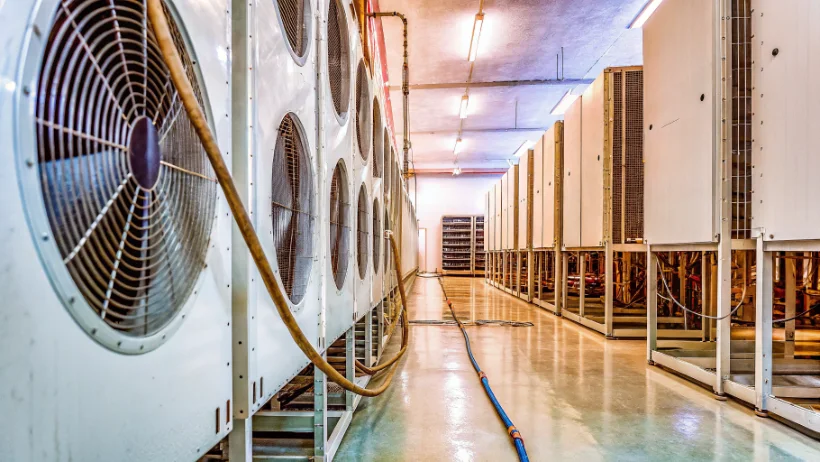
The design of an international data center is made up of several interconnected levels, each of which enhances the overall performance and dependability of the system. The main elements of the infrastructure are listed in the following table:
| Infrastructure Layer | Primary Function | Key Specifications | Redundancy Level |
|---|---|---|---|
| Power Distribution | Continuous power supply to all systems | N+1 or 2N UPS configuration, diesel generators with 48-72 hour fuel capacity | Multiple utility feeds, redundant UPS units, backup generation |
| Cooling Systems | Temperature and humidity control for optimal equipment operation | Precision air conditioning, hot aisle containment, target temperature 18-27°C | Redundant CRAC units, backup chillers |
| Network Infrastructure | Data transmission between systems and external networks | 10Gbps to 100Gbps uplinks, multiple carrier connections, BGP routing | Diverse fiber paths, redundant edge routers |
| Fire Suppression | Protection against fire damage without harming equipment | Clean agent systems, VESDA early warning detection | Dual interlock pre-action systems |
Since all hosted systems are instantly impacted by any disruption in the electrical supply, power infrastructure is arguably the most important component. In order to ensure that operations are not impacted by a power grid section breakdown, enterprise-grade facilities usually use twin power inputs from different utility substations. Removing the heat produced by increasingly dense computing equipment is a constant issue for cooling systems. With the use of economizers, which use outside air when temperatures allow, conventional computer room air conditioners have developed into more effective systems.
Models of network topology and connectivity
In IDC contexts, network architecture must strike a balance between a number of goals, such as cost effectiveness, security, performance, and dependability. The majority of facilities use core, distribution, and access layers in hierarchical network topologies. Relationships with several internet service providers and telecommunications carriers are usually necessary for connectivity to external networks. In addition to offering redundancy, this multi-homing technique enables traffic engineering according to cost or performance measures. In order to enable hybrid cloud architectures with reduced latency and more consistent performance, modern facilities are increasingly providing direct connections to major cloud service providers through dedicated interconnection services.
Performance indicators and operational guidelines for IDC facilities
It is necessary to comprehend the metrics and criteria that characterize operational excellence in order to evaluate the performance of international data centers. Organizations can evaluate facilities and establish reasonable expectations for infrastructure dependability with the aid of these metrics.

Redundancy procedures and uptime requirements
Availability targets are usually stated as percentages in service level agreements; typical targets are 99.9 percent, 99.99 percent, or 99.999 percent uptime per year. These percentages correspond to the maximum amount of downtime that may be tolerated, which ranges from 5.26 minutes annually for five nines availability to roughly 8.76 hours annually for three nines availability. Redundancy protocols specify how backup systems take over in the event that primary systems malfunction. While 2N redundancy offers fully parallel systems, N+1 redundancy indicates that the facility includes one extra component above and beyond the bare minimum.
Important performance metrics for assessing data centers
When assessing choices for international data centers, organizations should look at a number of important performance indicators:
- Power Usage Effectiveness (PUE) - Lower values indicate more efficiency. Power Usage Effectiveness (PUE) is calculated by dividing the total power consumption of the facility by the power consumption of the IT equipment. With the use of cutting-edge cooling technology and well-designed facilities, top facilities are able to achieve PUE values that are close to 1.2, while modern facilities aim for values below 1.5.
- Mean Time Between Failures (MTBF) - The average operating time before equipment failures is measured by Mean Time Between Failures (MTBF), which aids in forecasting maintenance needs and replacement schedules. Better preventive maintenance plans and more dependable components are indicated by higher MTBF values.
- Recovery Time Objective (RTO) and Recovery Point Objective (RPO) - Recovery Point Objective (RPO) outlines the maximum allowable data loss in terms of time, whereas Recovery Time Objective (RTO) establishes the maximum allowable time to restore services following an incident. Decisions on backup frequencies and replication technologies are influenced by these parameters, which also direct disaster recovery strategy.
- Network latency measurements - Network latency measurements, which are commonly expressed in milliseconds, measure the amount of time it takes for data packets to move between locations inside the network. Based on routing efficiency and geographic closeness to end users, lower latency enhances application responsiveness and user experience.
- Security incident response times - The facility's ability to identify and react to security threats, such as network-based attacks or physical infiltration attempts, is gauged by its security incident response times. Quicker reaction times show operational maturity and reduce possible harm.
Data centers for real-time gaming infrastructure and online casinos
Innovation in data center operations and design has been spurred by the particular infrastructural issues faced by the online gaming sector. Infrastructure for casino platforms must meet stringent security requirements, perform consistently, and offer the dependability that gamers demand from gaming services.
Why specialist IDC solutions are required by online casino platforms
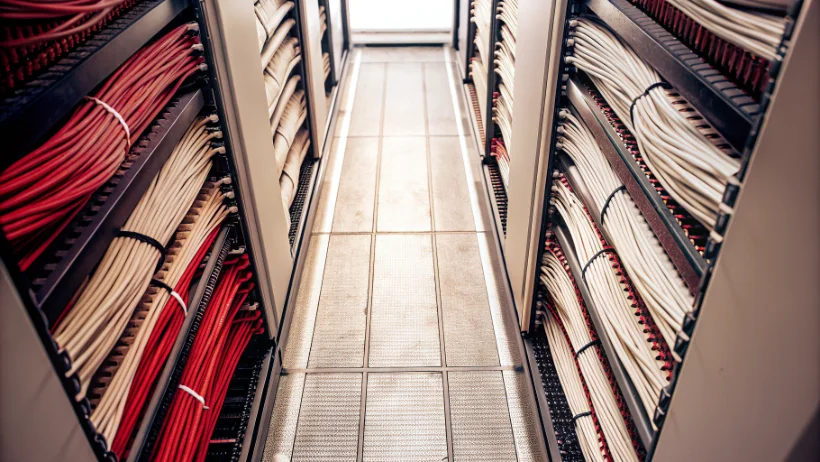
The technical requirements for online gambling operations are higher than those for many other digital businesses. Extremely low latency is necessary for real-time gaming in order to guarantee fluid gameplay and avoid player-frustrating delays. To preserve the appearance of real-time involvement, a poker platform must process player actions and update all participants in milliseconds. Another crucial prerequisite is transaction processing, since casino platforms constantly manage wagers, withdrawals, and deposits. In order to handle credit card data, payment systems need to interact with several processors while still adhering to PCI DSS. Because many countries restrict gambling companies to host infrastructure within certain boundaries, geographic distribution increases complexity. Therefore, data centers for online casinos need to be present in important gaming jurisdictions while upholding uniform operational requirements.
Crucial infrastructure needs for operators of gaming
Data center providers must supply certain infrastructure capabilities needed by gaming platforms:
- Ultra-low latency networking - Players and gaming servers experience the least amount of latency thanks to ultra-low latency networking and direct peering relationships to major ISPs. Usually, establishments that house casino infrastructure stay connected to ten or more network carriers, offering a variety of routes and efficient routing.
- DDoS protection systems - DDoS protection systems guard against criminal actors or rivals launching distributed denial of service attacks to interfere with gaming activities. Attack traffic is filtered at network edges by contemporary mitigation systems before it reaches gaming infrastructure.
- GPU-accelerated computing - Game rendering, live dealer broadcasting, and real-time visual processing that improves player experiences are all made possible by GPU-accelerated computing. High-density GPU servers produce a lot of heat, necessitating sophisticated cooling solutions outside of typical data center settings.
- Compliance monitoring and reporting systems - Through thorough logs of all system activity, player transactions, and game outcomes, compliance monitoring and reporting systems assist operators in proving regulatory compliance. For auditing purposes, infrastructure must collect and store this data while preserving rapid access.
- High-availability database systems - Player account data, game state, transaction history, and session data are all preserved by high-availability database systems using redundancy to guard against data loss from a single failure. Database replication is usually implemented across many facilities in casino systems.
Security and latency issues in gaming contexts
In online gambling contexts, network latency has a direct impact on player happiness. According to studies, consumers become irritated and notice delays longer than 100 milliseconds. Therefore, data center locations that are closest to player concentrations are given priority by casino operators. In gambling settings, security goes beyond safeguarding player information to guarantee game integrity and deter fraud. Account takeovers, player collusion, bonus misuse, and money laundering are all ongoing threats to casino systems. Security systems that examine player behavior patterns, identify questionable activity, and impose limits when required must be supported by the architecture of international data centers.
Future developments and scalability in the operations of international data centers
As technology develops and business needs shift, the data center sector keeps changing. Organizations can better prepare for future infrastructure requirements by being aware of emerging trends.

New technologies influencing the development of IDC
International data center operations are changing as a result of several technology advancements:
| Technology Area | Conventional Approach | Modern Evolution | Future Direction |
|---|---|---|---|
| Power Management | Fixed power allocation per rack, 5-8 kW | Dynamic power distribution, 15-30 kW per rack | Liquid cooling enabling 50+ kW per rack, renewable integration |
| Network Architecture | Fixed bandwidth, manual configuration | Software-defined networking, automated provisioning | AI-driven optimization |
| Computing Model | Dedicated physical servers | Virtualization and containerization | Edge computing with centralized orchestration |
| Monitoring Systems | Reactive threshold alerts | Predictive analytics | AI-powered autonomous operations |
One notable change is edge computing, which moves processing closer to end users and data sources. For applications that need real-time replies, this distributed paradigm lowers latency while using less bandwidth. By examining trends in power usage, cooling effectiveness, and equipment behavior, artificial intelligence and machine learning are being used to improve data center operations by anticipating component problems before they happen.
Energy efficiency and sustainability in data center architecture
Sustainability is now a top goal in the construction of international data centers due to environmental concerns. Large volumes of electricity are consumed by facilities; the global data center sector accounts for one to two percent of the world's total electricity consumption. The use of renewable energy has increased, and many operators have made the commitment to run their facilities only on hydroelectric, solar, or wind power. Some facilities now feed heat to district heating systems that warm surrounding buildings, turning what was previously an environmental issue into a resource. Alternative cooling methods that lessen reliance on water have emerged as a result of increased scrutiny of water consumption for cooling, especially in areas that are vulnerable to drought.
FAQ
Where are most data centers located?
Patterns of data center concentration are determined by factors such as network connectivity, power availability, and proximity to business hubs. The majority of facilities are located in the United States, primarily in the Dallas-Fort Worth area, Silicon Valley, and Northern Virginia. London, Frankfurt, Amsterdam, and Paris are the main hubs of Europe, whereas Singapore, Tokyo, Hong Kong, and Sydney are the hubs of Asia-Pacific markets. These areas provide access to qualified technical personnel, dense network connectivity, political stability, and dependable electrical infrastructure.
What distinguishes a cloud provider from a data center?
Where businesses install their own equipment, data centers offer the physical infrastructure—space, power, cooling, and network access. Cloud providers sell access to computing resources as a service and run their own equipment in data centers. While cloud users only access resources without maintaining physical hardware, a company that uses data center colocation maintains and operates its own servers.
How do businesses decide between using colocation and constructing their own data center?
Scale, finance, technical know-how, and strategic priorities all play a role in this choice. Establishing proprietary facilities necessitates both continuous operating skill and a significant capital expenditure, usually in the millions of dollars. Colocation provides carrier-neutral connectivity without the hassle of site management, quicker deployment, and cheaper upfront expenditures. Colocation is more economical for most businesses, unless they are very large.
Which security protocols safeguard data in settings such as international data centers?
Physical perimeter controls, such as fence, security guards, and vehicle barriers, are the first of several layers of protection. Key cards or biometric readers must be used for authentication in order to enter buildings. All locations are monitored by video surveillance, and records are kept for future analysis. Cages for equipment give another layer of security to the building. Firewalls, intrusion detection systems, and DDoS defense are examples of network security.
What impact does the classification of data center tiers have on service reliability?
Infrastructure redundancy and projected availability are described by tier levels. Tier I facilities achieve 99.671 percent availability with single pathways for cooling and power. Tier II increases the percentage to 99.741 percent by adding redundant components. Tier III achieves 99.982 percent by implementing several distribution channels. The fault-tolerant infrastructure offered by Tier IV aims for 99.995 percent availability. Although higher tiers are more expensive, they offer better downtime protection.
How do data centers fit into plans for disaster recovery?
In order to ensure business continuity in the event that the original location becomes unavailable, disaster recovery solutions usually entail copying vital systems and data to geographically distant facilities. To guard against localized calamities, organizations spread their infrastructure over several international data center locations in various regions. In a matter of minutes, automated failover systems can identify primary site failures and reroute traffic to backup locations.
Conclusion
The architecture of international data centers provides the dependability, security, and performance that businesses need and forms the basis of contemporary digital services. The intricacy and significance of data center settings in assisting company operations across industries are illustrated by the technological elements, operational standards, and new trends covered throughout this article. International data center facilities will change to meet evolving needs as digital services continue to grow, all the while upholding the industry's core values of uptime, security, and operational excellence.