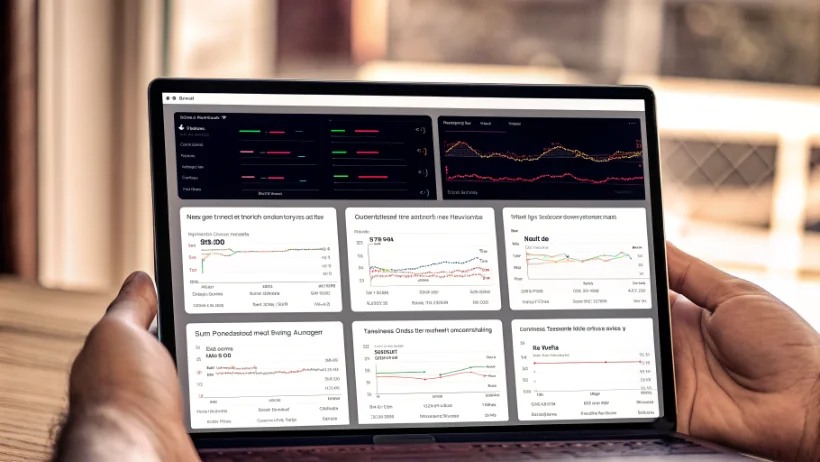
High-load data centre capabilities for modern gaming services
Contemporary gaming platforms face extraordinary infrastructure demands as player populations surge during peak hours, promotional events, and major sporting competitions. Enterprise-grade data centres supporting online gaming must manage massive traffic spikes, process millions of simultaneous transactions, operate random number generation servers, and maintain seamless player experiences under extreme load conditions. High-load gaming infrastructure requires sophisticated architectural planning, comprehensive redundancy systems, and elastic resources that adapt to fluctuating demand patterns. This examination reveals how specialized data centre capabilities deliver the performance and reliability that modern gaming services require to remain competitive.
Managing traffic fluctuations and peak demand
Gaming platforms experience dramatic traffic variations based on time zones, marketing campaigns, and high-profile events that draw concentrated player activity. Infrastructure must scale dynamically to accommodate these fluctuations without performance degradation or increased latency that damages user experience. Load balancing systems distribute player connections across multiple server clusters preventing any single system from becoming overwhelmed. Auto-scaling capabilities automatically provision additional computing resources when traffic increases, then release those resources during quieter periods optimizing operational costs while maintaining performance standards.
- Distributed architectures spread player loads across multiple geographic data centre locations reducing regional congestion
- Content delivery networks cache static game assets at edge locations minimizing bandwidth consumption from central servers
- Queue management systems handle authentication surges during peak hours without overwhelming backend infrastructure
- Real-time performance monitoring tracks response times and triggers automatic scaling actions when thresholds are exceeded
- Database read replicas distribute query loads across multiple systems improving application responsiveness under heavy use
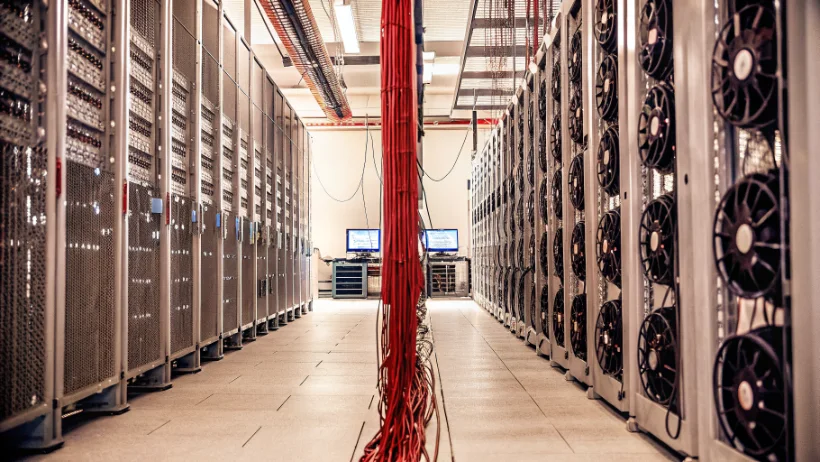
Critical gaming infrastructure components
High-load gaming platforms depend on specialized infrastructure components operating in coordinated fashion:
| System Component | Primary Function | Redundancy Strategy |
|---|---|---|
| RNG Servers | Generate random game outcomes | Active-active clustering |
| Payment Processors | Handle financial transactions | Multi-provider failover |
| Session Managers | Maintain player state data | Distributed caching layers |
| Fraud Detection | Identify suspicious activity | Real-time data replication |
"Consistent performance during high-traffic events distinguishes professional gaming platforms from competitors. Enterprise data centre infrastructure provides the scalability and reliability players expect even during the most demanding operational periods."
Performance optimization strategies
Achieving reliable performance under high load requires continuous optimization efforts and proactive capacity planning. Regular load testing simulates peak traffic scenarios to identify bottlenecks before they impact actual players. Database query optimization reduces processing overhead and accelerates response times. Strategic caching minimizes redundant processing by storing frequently accessed data in high-speed memory systems. These combined approaches ensure gaming platforms maintain smooth operation regardless of player volume or activity intensity, supporting business growth and player satisfaction.